



Quick Summary
The 2026 Chevy Equinox comes in both front-wheel drive and all-wheel drive, and picking the right one depends on how and where you drive. AWD gives you extra grip for rain, snow, and uneven roads. FWD costs less upfront and sips less fuel on dry pavement. This guide walks you through the differences in performance, efficiency, and price so you can choose the setup that matches your daily life in Douglaston.
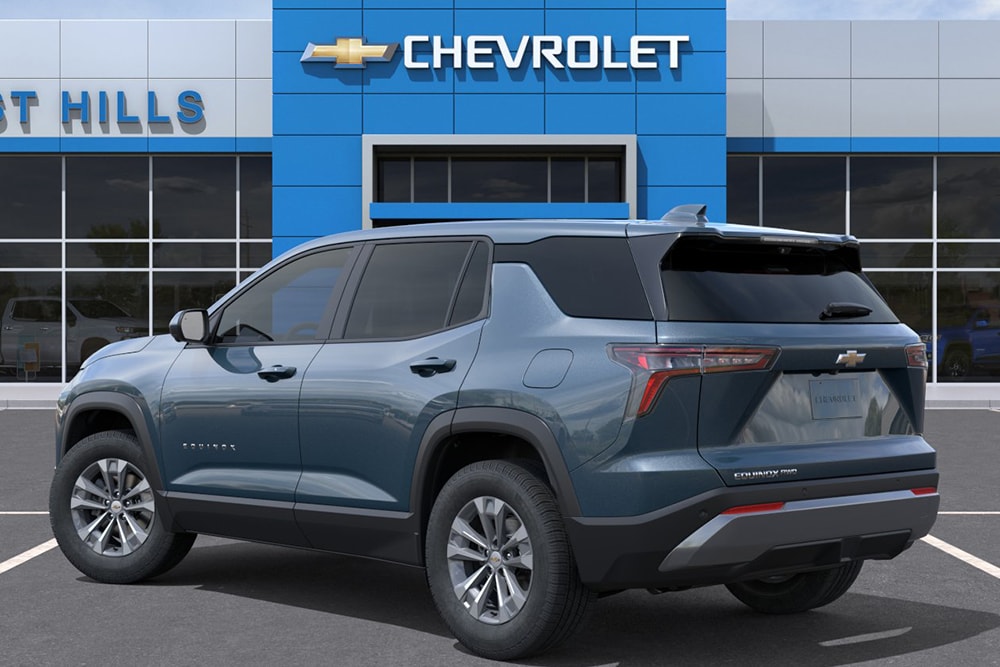
Choosing between front-wheel drive and all-wheel drive is one of the first decisions many SUV shoppers face. The Chevy Equinox AWD vs FWD debate comes down to what you value most: saving at the pump or feeling secure when the weather turns. Both setups have real advantages, and neither is the wrong answer.
If you want to see both setups in person, the 2026 Chevrolet Equinox is available on our lot. Let's look at what sets these two drivetrains apart.
How FWD and AWD Work in the Equinox
Front-wheel drive sends power to the front two wheels only. This setup works well on dry roads because the weight of the engine sits right over the drive wheels, helping with grip when you accelerate. FWD systems are simpler and lighter, which helps with fuel economy and keeps the purchase price lower. For most paved-road driving around town, FWD handles daily errands without any drama.
All-wheel drive sends power to all four wheels, adjusting how much goes to the front and rear based on available traction. The Equinox uses an automatic AWD system that stays in FWD mode under normal conditions to save fuel.
When the system senses wheel slip, it sends torque to the rear wheels within a fraction of a second. You do not have to press any buttons. This makes AWD helpful on wet roads, during light snow, or when pulling onto a busy street from a gravel shoulder.
Fuel Economy Differences
One of the biggest reasons buyers pick FWD is better gas mileage. Because FWD is lighter and has fewer moving parts, the engine does not work as hard. The EPA estimates for the 2026 Equinox put FWD models slightly ahead of AWD counterparts in both city and highway driving. Over a year of commuting, that difference adds up to real savings.
AWD models do use a bit more fuel, but the gap is not as wide as it once was. Modern systems like the one in the Equinox disengage the rear wheels when cruising at steady speeds, which helps keep highway fuel economy close to FWD numbers. If you live in an area with frequent rain or take trips upstate where roads get slick, the small fuel penalty may be worth the added confidence.
Traction and Handling in Different Weather
Long Island drivers face a mix of conditions. Summers are dry, but fall brings wet leaves, and winter can drop freezing rain or snow. FWD handles most of this without issue. With good all-season tires, a FWD Equinox feels stable and predictable. The traction control and stability systems do a good job of keeping the SUV pointed straight.
AWD adds another layer of security. When the road surface changes quickly, like hitting a slick patch on the Long Island Expressway, AWD reacts faster than even an alert driver can. The system pushes power to the wheels with the best grip, reducing the chance of slipping.
This does not make you invincible, but it gives you a wider safety net. For families with young kids or anyone who wants less to worry about when the forecast looks bad, AWD brings peace of mind that FWD alone cannot match.
Price and Long-Term Value
FWD Equinox models start at a lower price point, typically saving you around $1,500 to $2,000 compared to the same trim with AWD. That is money you can put toward options like a sunroof, upgraded sound system, or a higher trim level. Insurance costs may also be slightly lower for FWD models.
AWD adds to the upfront cost, but it can pay you back in other ways. Resale value on AWD SUVs tends to be stronger, especially in regions with cold winters. When it comes time to trade in or sell, buyers actively look for all-wheel drive. If you plan to keep the vehicle for many years, the initial price difference becomes less significant over time.
We often tell shoppers at East Hills Chevrolet of Douglaston that the Chevy Equinox AWD vs FWD decision really comes down to where you drive and how much you value that extra grip. If you need more cargo room and towing strength, the larger 2026 Chevrolet Tahoe is worth a look.
A Note on Maintenance
Both setups are built to be reliable, but AWD systems have additional parts like a rear differential and a power transfer unit that need periodic fluid changes. These are not frequent or expensive services, but they are something FWD owners do not have to think about.
FWD models are slightly simpler mechanically, which means fewer things to maintain over the long haul. Neither setup should cause headaches if you follow the maintenance schedule in your owner's manual.
Final Thoughts on the FWD and AWD Equinox
Both versions of the 2026 Chevy Equinox are well-rounded compact SUVs with comfortable cabins, modern tech, and a smooth ride. FWD keeps things simple, affordable, and efficient. AWD gives you more confidence when roads get slippery.
The good news is that neither choice is a compromise. You are simply matching the vehicle to your lifestyle. Visit us at East Hills Chevrolet of Douglaston to test drive both setups and see which one feels right.
You can also explore the 2026 Chevrolet Silverado 1500 if your needs lean more toward truck capability.
Frequently Asked Questions
Is AWD on the Equinox always active?
No. The Equinox uses an automatic AWD system that runs in FWD mode during normal driving to save fuel. It only sends power to the rear wheels when it detects wheel slip.
How much more does AWD cost on the Equinox?
AWD typically adds around $1,500 to $2,000 to the price of a comparably equipped FWD Equinox, depending on the trim level.
Does AWD hurt fuel economy a lot?
The difference is modest. FWD models get better city and highway mileage, but the Equinox AWD system disconnects the rear axle when cruising, so highway numbers stay fairly close.
Can FWD handle snow?
Yes, especially with a good set of all-season or winter tires. FWD with modern traction control handles light snow capably. AWD provides extra grip and confidence in deeper snow or icy conditions.
Categories:
Blogs